
There’s no single “correct” way to use a crystal — no governing body sets the rules, and methods vary across traditions and shops. But the clearest signs you’re using your crystal wrong are consistent across practitioner communities: never cleansing it, having no clear intention for it, ignoring stone-specific handling (like sun-sensitive stones left in direct light), or pairing the wrong stone to the wrong goal. Skipping these basics is what most sources mean by “misuse,” even though the underlying belief system has no scientifically verified mechanism behind it.
This guide covers the real signs of misuse, what’s genuine physical risk versus belief-based ritual, the myth that there’s one universal “right” way, and a clear troubleshooting checklist to fix your approach.
The 5 Clearest Signs You’re Using Your Crystal Wrong
- You’ve never cleansed it — from the day you got it to now
- You have no clear intention for what the stone is meant to support
- You’re ignoring stone-specific care, like leaving a sun-sensitive crystal in direct light
- Your crystal doesn’t match your goal — for example, using a calming stone when you actually need energizing focus
- You’re storing it carelessly — jumbled with harder stones that can scratch it, or in a damp spot for a water-sensitive type
Two of these (#3 and #5) carry real, physical consequences regardless of belief. The other three (#1, #2, #4) are entirely tradition-based — skipping them won’t damage the stone, but practitioners consider them core to “using it correctly.”
What Counts as “Misuse” — and What Doesn’t
It helps to split this into two categories, since they carry very different stakes:
Physical misuse (real, measurable consequences):
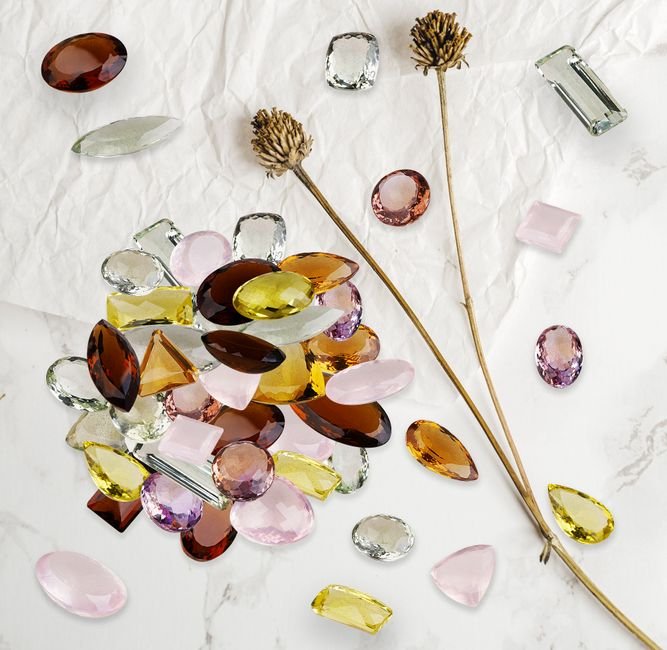
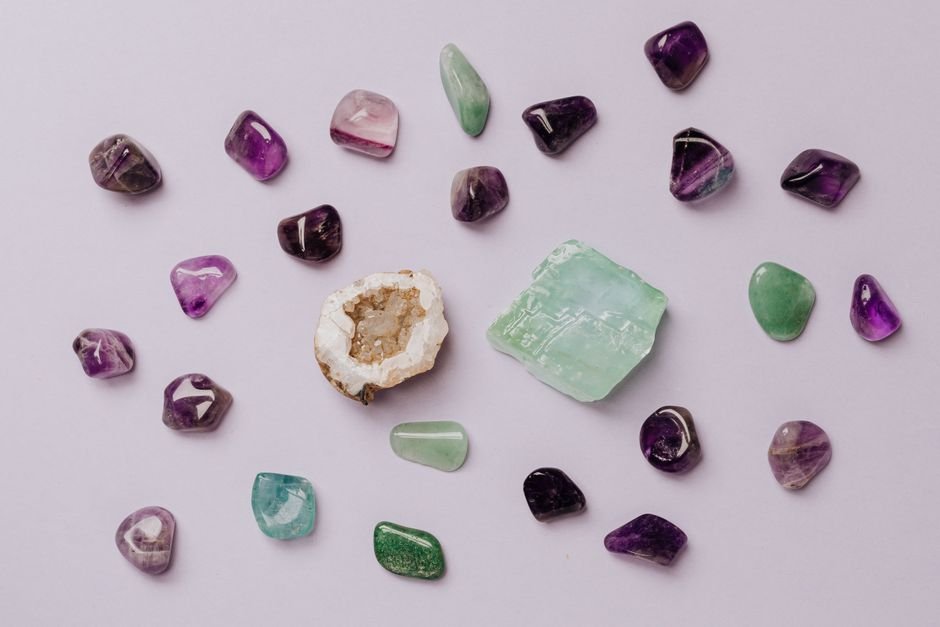
- Leaving sun-sensitive stones (amethyst, rose quartz, citrine, fluorite) in prolonged direct light — this permanently fades their color (see the full sun-sensitivity table in can crystals lose their power)
- Soaking water-soluble or porous stones (selenite, malachite, pyrite) in water — this can dissolve, rust, or degrade them
- Storing hard and soft stones together — harder minerals scratch softer ones
Ritual/tradition-based “misuse” (belief-only, no physical consequence):
- Never cleansing a stone
- Not setting a clear intention
- Mismatching a stone’s traditional meaning to your current goal
- Wearing a crystal on the “wrong” hand, per some traditions
The first category is worth taking seriously regardless of your beliefs, since it’s simple gemology. The second category is genuinely optional — it matters only within the belief framework you personally choose to follow.
Why People Believe These Signs Matter
Within crystal-healing tradition, the belief is that mismatched intention or neglected rituals reduce a stone’s effectiveness. The reasoning typically goes: a crystal is thought to “amplify” whatever energy or intention it’s given, so an unclear or absent intention gives it nothing specific to work with. Similarly, an uncleansed stone is believed to carry residual or stagnant energy that dampens its usefulness — the same belief discussed in what blocks crystal energy.
None of this is measurable, but it’s worth understanding as the internal logic of the practice, since it explains why practitioners treat cleansing and intention-setting as close to mandatory even though there’s no physical mechanism behind either one.
What Science Actually Says About “Correct” Crystal Use
Here’s the direct, honest answer: there’s no scientifically established “correct” way to use a crystal for energy or healing purposes, because there’s no proven mechanism for that use in the first place. Wikipedia’s summary of crystal healing notes that concepts like blocked energy, chakras, and energy grids are understood as spiritual or religious framing, not measurable physical phenomena — so there’s no scientific basis for ranking one ritual approach as more “correct” than another.
Where science does have something concrete to say is gem durability — and this is the part every “signs of misuse” guide should lead with but often buries. According to GIA’s guide to gem durability, stones are evaluated on hardness, toughness, and stability — their actual resistance to scratching, cracking, and chemical or light damage. That’s the genuinely “correct” usage framework: not a spiritual ritual sequence, but basic material care matched to each stone’s real physical properties.
The Myth of One “Right Way” to Use Crystals
A persistent myth is that there’s a single, universal correct method — one right cleansing ritual, one right intention-setting process, one right way to wear or place a stone. In reality, methods vary significantly by source, tradition, and even individual practitioner. Some traditions favor moonlight over sunlight for nearly everything; others assign specific crystals to specific hands, chakras, or astrological signs with no cross-tradition agreement. If you compare guides from different crystal shops or teachers, you’ll often find contradicting rules for the same stone.
The practical takeaway: treat ritual practices as personal choice, not fixed law, and treat physical care guidance (sun, water, storage) as the one area where there’s an actual right and wrong answer, because it’s rooted in mineral science rather than tradition.
Troubleshooting: How to Fix Your Crystal Practice
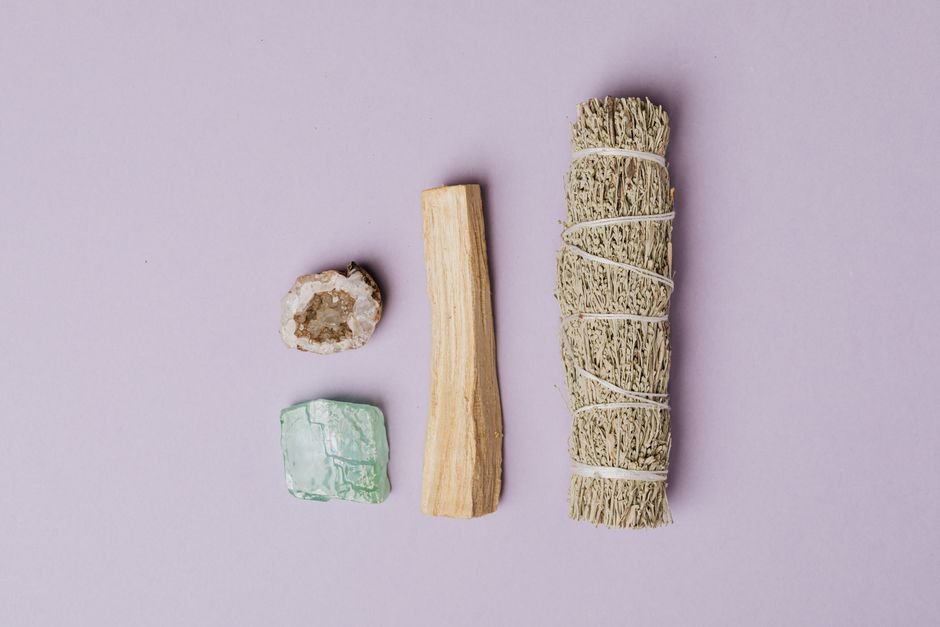
- Research your specific stone’s care needs first. Before anything else, confirm whether your stone is sun-sensitive, water-sensitive, or both — this is the step with real consequences if skipped.
- Set an intention, even a simple one. Practitioners treat this as the difference between a crystal “working” and just sitting there — whether or not that’s physically true, it costs nothing to do. (The full intention ritual is covered in how do I know if my crystal is activated.)
- Cleanse it regularly, using a method safe for that specific stone (see the safety notes above, and how to recharge a crystal that feels dead for method-by-stone matching).
- Pair the stone with a matching goal. Revisit what you actually want support with right now, rather than defaulting to whatever a book or shop description assigned the stone.
- Store it properly — separately from harder stones, and away from prolonged sun or moisture if it’s sensitive to either.
When “Using It Wrong” Doesn’t Apply
This entire framework assumes you’re using the crystal with some spiritual or energetic intent. It doesn’t apply when a crystal is used purely as a decorative or aesthetic object with no spiritual intent behind it. If you simply like how a piece of amethyst or rose quartz looks on your shelf, there’s no “correct” or “incorrect” way to display it — the misuse framework only exists within the belief system, and it has nothing to say about décor choices. The one exception is physical care: even a purely decorative crystal can still fade in a sunny window or dissolve if you rinse a water-sensitive stone, so those care basics apply regardless of your intent.
FAQs
Do I need to follow strict rules to use crystals correctly?
No. Outside of stone-specific physical care (sun and water sensitivity), there’s no universal rulebook. Cleansing, intention-setting, and goal-matching are widely recommended practices within the belief system, but different traditions disagree on the details, and treating them as flexible personal choices is standard, not “doing it wrong.”
What if I just like how my crystal looks?
That’s entirely valid, and it doesn’t require cleansing rituals or intention-setting at all — those only matter if you’re engaging with the belief framework. The one thing worth doing regardless of your intent is basic physical care: keeping sun-sensitive stones out of prolonged direct light and water-sensitive stones dry, since that’s about protecting the object, not any energy claim.
Can I damage a crystal just by using it “wrong” spiritually?
No. Skipping cleansing or intention-setting has no physical effect on the mineral. The only genuine damage risks come from physical mishandling — sun exposure for color-sensitive stones, water for soluble ones, or scratching from improper storage.
How do I know which stones are sun- or water-sensitive?
As a rough rule, stones that get their color from trace mineral impurities or irradiation (amethyst, rose quartz, citrine, fluorite) are the most sun-sensitive, and soft or porous stones (selenite, malachite, pyrite, lepidolite) are the most water-sensitive. When in doubt, look up your specific stone before cleansing or displaying it in a sunny spot.
Is there a “best” crystal for beginners to avoid mistakes with?
Durable, sun-stable stones like clear quartz, black tourmaline, and tiger’s eye are the most forgiving for beginners, since they tolerate a wider range of cleansing and display methods without the sun- or water-damage risks that come with more delicate stones.
Key Takeaways
- The clearest signs you’re using your crystal wrong are skipping cleansing, having no clear intention, ignoring stone-specific care, and mismatching a stone to your goal — but only two of these (sun and water handling) carry real physical consequences.
- Science has no basis for ranking one ritual as “more correct” than another, since there’s no proven mechanism behind crystal energy in the first place.
- There’s no single universal right way across traditions — treat ritual guidance as personal choice and physical care guidance as the one area grounded in real gemology.
- If your crystal is purely decorative, the misuse framework doesn’t apply — just protect it from sun and water damage like you would any mineral.